
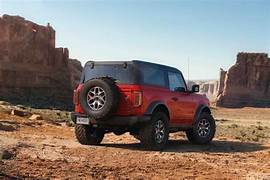
The rise of SUVs in the U.S. is a trend that shows no signs of slowing down. SUVs have become the most preferred vehicle type worldwide, accounting for nearly 50% of global car sales. In the United States, SUVs accounted for approximately 50% of all vehicle sales in 2023, with compact and mid-size SUVs surging in popularity due to their versatility and improved fuel efficiency.
Key Factors Driving SUV Popularity
Practicality and Versatility: SUVs offer spacious interiors, higher ground clearance, and advanced safety features, making them ideal for families, outdoor enthusiasts, and daily commutes.
Safety Features: Advanced driver-assistance systems, including lane-keeping assistance, adaptive cruise control, and pedestrian detection, contribute significantly to the widespread adoption of SUVs.
Luxury and Comfort: SUVs have evolved from mere utility vehicles to symbols of luxury, driven by an increasing emphasis on comfort, technology, and performance.
Electric and Hybrid SUVs
Electric SUV Launches: Electric SUV launches grew 25% in recent years, with models like Hyundai’s IONIQ 9 offering a range of over 300 miles and rapid charging capabilities.
Hybrid SUVs: Hybrid SUVs witnessed a surge, with some markets reporting an increase of over 15% in hybrid model purchases compared to the previous year.
Market Trends and Projections
The SUV market is projected to reach 53 million units by 2030, growing at a CAGR of 4.4%. The market is driven by increasing demand for compact and mid-size SUVs, as well as the adoption of electric and hybrid vehicles.
Challenges and Opportunities
Environmental Concerns: SUVs contribute significantly to greenhouse gas emissions, with oil consumption increasing by 600,000 barrels per day globally between 2022.
Charging Infrastructure: The insufficient charging infrastructure in many regions makes long-distance travel difficult for electric SUV owners.
The rise of SUVs in the U.S. is a trend that won’t die anytime soon. With their practicality, safety features, and luxury appeal, SUVs continue to dominate the automotive market. As the industry shifts towards electric and hybrid vehicles, SUVs are likely to remain a popular choice for consumers.
What percentage of global car sales do SUVs account for?
SUVs account for nearly 50% of global car sales, making them the most preferred vehicle type worldwide.
What percentage of vehicle sales in the U.S. do SUVs account for?
SUVs accounted for approximately 50% of all vehicle sales in the U.S. in 2023.
What factors contribute to the popularity of SUVs?
SUVs offer practicality, versatility, safety features, luxury, and comfort, making them ideal for families, outdoor enthusiasts, and daily commutes.
How are SUVs evolving in terms of technology and performance?
SUVs are evolving to include advanced driver-assistance systems, luxury features, and improved performance, driven by an increasing emphasis on comfort, technology, and performance.
What is driving the shift towards hybrid and electric SUVs?
The shift towards hybrid and electric SUVs is driven by growing awareness of environmental issues and stricter emission regulations.
How many electric SUV launches were there in recent years?
Electric SUV launches grew 25% in recent years, with models like Hyundai’s IONIQ 9 offering a range of over 300 miles and rapid charging capabilities.
What is the projected growth rate of the SUV market?
The SUV market is projected to reach 53 million units by 2030, growing at a CAGR of 4.4%.
What are some challenges facing the SUV market?
Challenges facing the SUV market include environmental concerns, such as greenhouse gas emissions, and the need for improved charging infrastructure for electric SUVs.
Why are compact and mid-size SUVs popular?
Compact and mid-size SUVs are popular due to their versatility, improved fuel efficiency, and practicality, making them ideal for daily commutes and family use.
Will the popularity of SUVs continue in the future?
Yes, the popularity of SUVs is expected to continue, driven by their practicality, safety features, and luxury appeal, as well as the growing adoption of electric and hybrid vehicles.